Categories
Career Satisfaction Coaching

What Is Career Coaching And How Does It Boost Your Success?

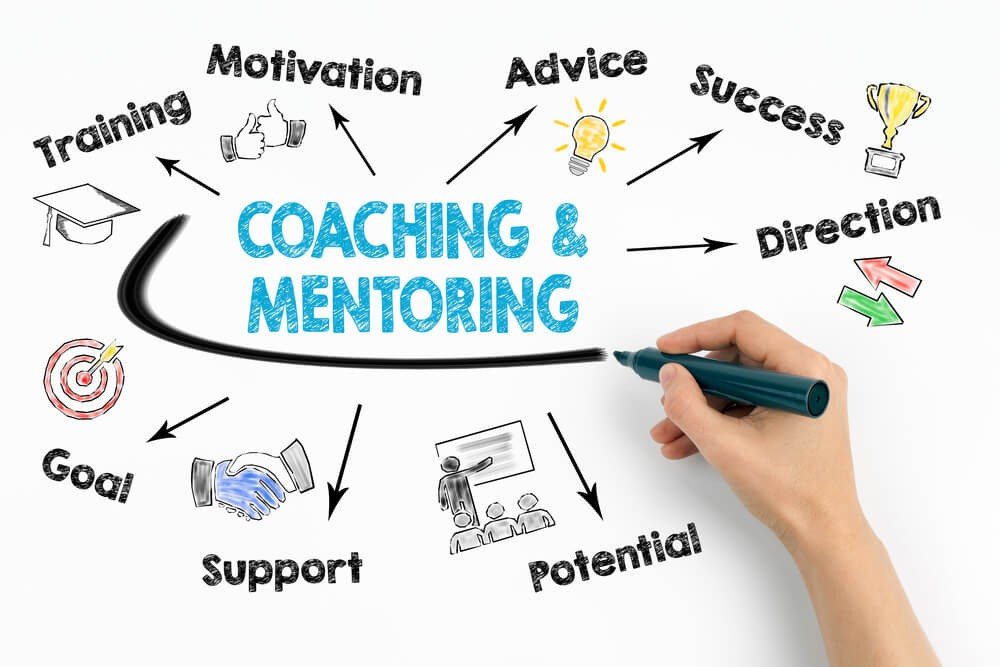
As a career coach, I have seen firsthand the transformative power of guidance and support in navigating the professional world. Many individuals find themselves at a crossroads in their careers, unsure of their next steps or feeling stuck in unfulfilling roles. This is where the expertise of a career coach can make a significant difference. 

This article will delve into the world of career coaching, exploring what career coaching is, what a career coach does, what a career coach can help with, who can benefit from a career coach, and how it can be the key to unlocking your career potential.

First, let’s start with some situations where a career coach will prove to be your clarity catalyst. 

Feeling Lost and Unsure of Your Career Path?

One of the most common pain points I hear from clients is a sense of being lost or directionless in their careers. You might be asking yourself: Am I on the right path? Is this the career I’m truly meant for? These feelings of uncertainty are completely normal, especially in today’s rapidly changing job market. 

What is career coaching’s role in this situation? What can a career coach help with here? 

A career coach can help you gain clarity, identify your passions and values, and explore career options that align with your authentic self. We will work together to uncover your unique skills and talents and develop a roadmap for achieving your career aspirations.

Stuck in a Job You Dislike?

Another frequent concern is feeling trapped in a job that doesn’t bring joy or fulfillment. You might be experiencing burnout, feeling undervalued, or simply bored with your work. This can lead to decreased motivation, reduced productivity, and a general sense of dissatisfaction. 

What is professional coaching’s approach to this issue?

A career coach can help you assess your current situation, identify what’s not working, and explore alternative career paths that better match your interests and values. We will work on strategies for either improving your current role or making a strategic transition to a more fulfilling career.

Facing Challenges in Your Job Search?

The job search process can be daunting, especially if you’re not sure where to start or how to market yourself effectively. You might struggle to write a compelling resume and cover letter, feel nervous about interviews, or simply not get any responses to your applications. 

What is career coaching’s contribution to a successful job search? What is a certified professional coach’s role in such a situation?

A career coach can provide expert guidance and support throughout the entire job search process. We will work on crafting a powerful resume and cover letter that highlight your skills and accomplishments, practice your interviewing skills, and develop a targeted job search strategy.

Wanting to Advance Your Career But Not Sure How?

Perhaps you’re happy in your current role but feel ready to take the next step in your career. You might be aiming for a promotion, seeking new challenges, or wanting to develop your leadership skills. However, you might be unsure of how to position yourself for advancement or what skills you need to develop. 

What is career coaching’s role in career advancement? 

A certified professional coach can help you identify your career goals, assess your current skillset, and develop a plan for acquiring the necessary skills and experience to reach your desired level. We can also work on strategies for networking, building relationships, and advocating for yourself within your organization.

Lacking Confidence in Your Abilities?

Self-doubt can be a major obstacle to career success. You might underestimate your skills and abilities, feel like an imposter, or be afraid of taking risks. This lack of confidence can hold you back from pursuing opportunities and reaching your full potential. 

What is career coaching’s approach to building confidence? 

A career coach can help you identify and challenge your limiting beliefs, recognize your strengths and accomplishments, and develop a stronger sense of self-worth. We will work on building your confidence so you can present yourself effectively and pursue your career goals with conviction.

Seeking Work-Life Balance?

In today’s always-on culture, achieving work-life balance can feel like an impossible dream. You might be working long hours, feeling overwhelmed by your responsibilities, and struggling to find time for your personal life. This can lead to burnout, stress, and a decline in overall well-being. 

What can a career coach help with when it comes to work-life balance? 

A professional career coach can help you assess your current work-life balance, identify areas for improvement, and develop strategies for creating a more sustainable and fulfilling lifestyle. We’ll work on time management skills, setting boundaries, and prioritizing your well-being.

What is Career Coaching, Exactly?

Now that we’ve explored some essential ways explaining what a career coach does, let’s define what is career coaching more formally. Career coaching is a professional partnership designed to support individuals in all stages of their career journey. 

It’s a collaborative process that involves self-assessment, goal setting, strategy development, and ongoing support. A certified professional career coach acts as a guide, mentor, and advocate, helping you navigate the complexities of the job market and achieve your career aspirations.

What to Expect From Career Coaching

Finding out what to get from a career coaching can be confusing. A typical career coaching engagement involves several key stages:

  • Initial Consultation: This is an opportunity for us to connect, discuss your career goals and challenges, and determine if we’re a good fit to work together.
  • Self-Assessment: We’ll delve into your values, interests, skills, and experiences to gain a clear understanding of your strengths and what you’re looking for in a career.
  • Goal Setting: Together, we’ll define specific, measurable, achievable, relevant, and time-bound (SMART) goals for your career development.
  • Strategy Development: We’ll create a personalized plan of action, outlining the steps you need to take to achieve your goals. This might include resume and cover letter writing, interview preparation, networking strategies, and job search techniques.
  • Ongoing Support: I’ll provide ongoing support, guidance, and encouragement as you implement your plan and navigate the challenges of your career journey.

What Makes a Good Career Coach?

What makes a good career coach is a crucial question to ask. Choosing the right career coach is essential for a successful coaching experience. Look for a coach who:

  • Has relevant experience and expertise: A good career coach has a strong understanding of the job market and experience working with clients from diverse backgrounds.
  • Is a skilled communicator and active listener: Effective communication is essential for building rapport, understanding your needs, and providing constructive feedback.
  • Is empathetic and supportive: A good coach creates a safe and non-judgmental space for you to explore your challenges and vulnerabilities.
  • Is results-oriented: A good coach is focused on helping you achieve your career goals and will provide you with the tools and resources you need to succeed.

Ready to Pursue It All?

At Pursue It All, we’re dedicated to helping you achieve your career aspirations. We offer personalized career coaching programs designed to empower you to take control of your career and create a future you love.

Here’s how you can take the next step:

  • Schedule a complimentary consultation: Let’s discuss your goals and challenges, and how our career coaching services can help you achieve them. This is a no-pressure opportunity to explore if coaching is the right fit for you. Book a Consultation
  • Explore our career coaching programs: Learn more about our tailored programs designed to address specific career needs and goals. 
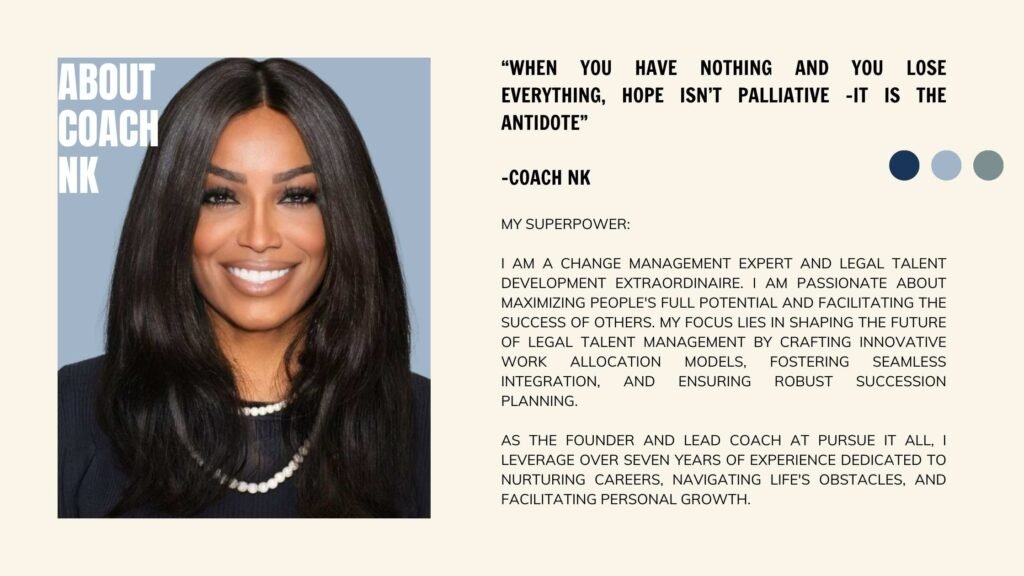
  • Meet our coach: Get to know our experienced and dedicated coach, Nk. Read her bio and learn about her expertise. Meet Our Coach

Contact us directly: Do you have questions? We’re here to help. Contact us via phone or email, and we’ll be happy to answer your inquiries.


Success Stories

“After working with Coach Nk, I transformed my mindset and embraced leadership. I went from hesitation to confidently leading high-stakes projects.” — J. Stevens, CEO

Transform Your Mindset Today

Don’t let limiting beliefs hold you back. Take our quiz or book a consultation now to unlock the success you deserve.

About Coach Nk
Coach Nk

Coach Nk helps high-achieving professionals conquer self-doubt and build unshakeable confidence to lead with impact.


Categories
Coaching Confidence Mindset

What Is Executive Coaching & How Can It Elevate Your Career?

Invest in yourself. Invest in your future. Invest in executive coaching with Pursue It All to embark on your journey to leadership excellence.

In today’s demanding business landscape, effective leadership is no longer a desirable trait—it’s a necessity. Organizations seek leaders who inspire teams, drive innovation, and navigate constant change. This demand has fueled a growing recognition of the value of executive coaching. But what is executive coaching, exactly, and how can it specifically elevate your leadership capabilities? 

This article explores the world of executive coaching, examining what is, what to expect from it, what an executive coach can help with, and what makes a good executive coach. 

Many people ask, “What is professional coaching, and how does it differ from other forms of development?” 

While various types of coaching exist, executive coaching focuses specifically on enhancing an individual’s  leadership skills and effectiveness in leadership positions. It includes everyone from emerging leaders to seasoned executives. It’s a personalized, one-on-one partnership designed to unlock leadership potential, refine existing skills, and drive positive change within individuals and organizations. 

It’s not about providing answers or giving advice. Instead, it’s about empowering leaders to discover their own solutions, develop their unique strengths, and achieve their leadership goals. It’s about facilitating self-discovery and growth.

 What Can an Executive Coach Help With?

Leadership roles inherently come with unique challenges. Whether you’re a newly appointed manager or a C-suite executive, you’ll likely encounter obstacles that require a refined skill set and a fresh perspective. 

Now that you know what executive coaching is, you might ask what an executive coach can help with. The scope is broad and adaptable, as executive coaching is tailored to each leader’s specific needs and aspirations.

Some common areas where executive coaching can make a significant impact include the following:

  • Leadership Development involves refining your leadership style, improving communication and interpersonal skills, building and motivating high-performing teams, and fostering a culture of collaboration and innovation. It often involves identifying and leveraging your unique strengths as a leader.  
  • Strategic Thinking: Developing a more strategic mindset, enhancing your ability to analyze complex situations, anticipate future trends, and make sound decisions in uncertain environments. It’s about seeing the bigger picture and developing a long-term vision.  
  • Executive Presence: Cultivating confidence, enhancing your communication presence (both verbal and non-verbal), and projecting credibility, authority, and influence. This includes how you present yourself and your ideas to others.  
  • Leading Through Change: Developing strategies for leading effectively through organizational change, adapting to new market dynamics, and supporting your team through transitions. Change is constant, and leaders need the skills to navigate it effectively.  
  • Building Resilience: Develop the mental and emotional resilience needed to handle pressure, manage stress effectively, and bounce back from setbacks. Leadership can be demanding, and resilience is crucial for long-term success.  
  • Emotional Intelligence: Enhancing self-awareness, managing emotions effectively, and building stronger interpersonal relationships based on empathy and understanding. Emotional intelligence is a cornerstone of effective leadership.  
  • Delegation and Empowerment: Improving your ability to delegate effectively, empower your team members, and create a culture of accountability. Effective delegation frees up leaders to focus on strategic priorities.  
  • Conflict Resolution: Developing skills in managing conflict constructively, facilitating difficult conversations, and building consensus. Conflict is inevitable, but it can be managed effectively with the right skills.  

What to Expect from Executive Coaching?

Embarking on an executive coaching engagement is a significant investment in your leadership development. Understanding what to expect from executive coaching is crucial for maximizing its benefits. 

The process typically involves:

  • Initial Consultation: This initial meeting is an opportunity to discuss your leadership goals, challenges, and expectations for the coaching engagement. It’s also a chance for you to get to know the coach and determine if there’s a strong rapport and mutual understanding. Finding the right coach is essential for a successful engagement.  
  • Assessment: Your coach may use various assessment tools, such as 360-degree feedback, personality assessments, or leadership style inventories, to gain a deeper understanding of your strengths, areas for development, and leadership style. These assessments provide valuable insights into your current leadership profile.  
  • Goal Setting: Collaboratively, you and your coach will define specific, measurable, achievable, relevant, and time-bound (SMART) goals for the coaching engagement. These goals will serve as the roadmap for your leadership development journey. Clear goals are essential for measuring progress and ensuring success.  
  • Regular Coaching Sessions: These sessions provide a dedicated and confidential space to explore your challenges, discuss your progress, receive feedback and support from your coach, and practice new skills. These sessions are the heart of the coaching process.  
  • Action Planning: Your coach will help you develop concrete action plans to implement what you’ve learned, translate insights into tangible results, and consistently progress toward your leadership goals. Action plans bridge the gap between learning and doing.  
  • Evaluation: Throughout the coaching engagement, you and your coach will regularly evaluate your progress, celebrate successes, and adjust the coaching plan as needed. Regular evaluation ensures that the coaching is on track and meeting your needs.  

What Makes a Good Executive Coach: Finding the Right Fit

The effectiveness of executive coaching is deeply rooted in the relationship between the professional coach and the client. What makes a good executive coach? Several key qualities are essential:  

  • Experience and Expertise: A good executive coach has extensive experience working with leaders at various levels and a deep understanding of the complexities of leadership in today’s business world. Experience matters when it comes to navigating the challenges of leadership.  
  • Strong Communication Skills: Effective communication is paramount for building rapport, asking insightful questions, providing constructive feedback, and facilitating meaningful conversations. Coaches must be excellent communicators.  
  • Active Listening: A good coach is an exceptional active listener. They pay close attention to what you’re saying, both verbally and non verbally, and ask clarifying questions to ensure deep understanding. Active listening is crucial for understanding the client’s perspective.  
  • Objectivity and Impartiality: A coach provides an objective and unbiased perspective, free from personal agendas or preconceived notions. A coach’s role is to be a neutral and supportive partner.  
  • Empathy and Understanding: A good coach is empathetic and demonstrates genuine understanding. They create a safe, supportive, and non-judgmental space for you to explore your challenges and vulnerabilities. Empathy is essential for building trust and rapport.  
  • Credibility and Trust: It’s essential to choose a coach whom you trust and respect, someone who has a proven track record of success and who aligns with your values and leadership philosophy. Trust is the foundation of a successful coaching relationship.

Ready to Pursue It All? Invest in Your Leadership with our Executive Coaching

At Pursue It All, we understand the unique challenges and opportunities facing today’s executives. We are passionate about empowering leaders like you to achieve your full potential and create a career you love. Our experienced executive coach, Nk,   provides personalized support, expert guidance, and proven strategies to help you navigate the complexities of leadership. We help you achieve your professional goals and make a lasting impact.

Whether you are seeking to refine your leadership style, enhance your strategic thinking, improve your communication skills, or navigate a significant career transition -, oOur executive coaching program has got you covered! 

Don’t just dream of being a more effective leader – become one.


Success Stories

“After working with Coach Nk, I transformed my mindset and embraced leadership. I went from hesitation to confidently leading high-stakes projects.” — J. Stevens, CEO

Transform Your Mindset Today

Don’t let limiting beliefs hold you back. Take our quiz or book a consultation now to unlock the success you deserve.

About Coach Nk

Coach Nk

Coach Nk helps high-achieving professionals conquer self-doubt and build unshakeable confidence to lead with impact.