
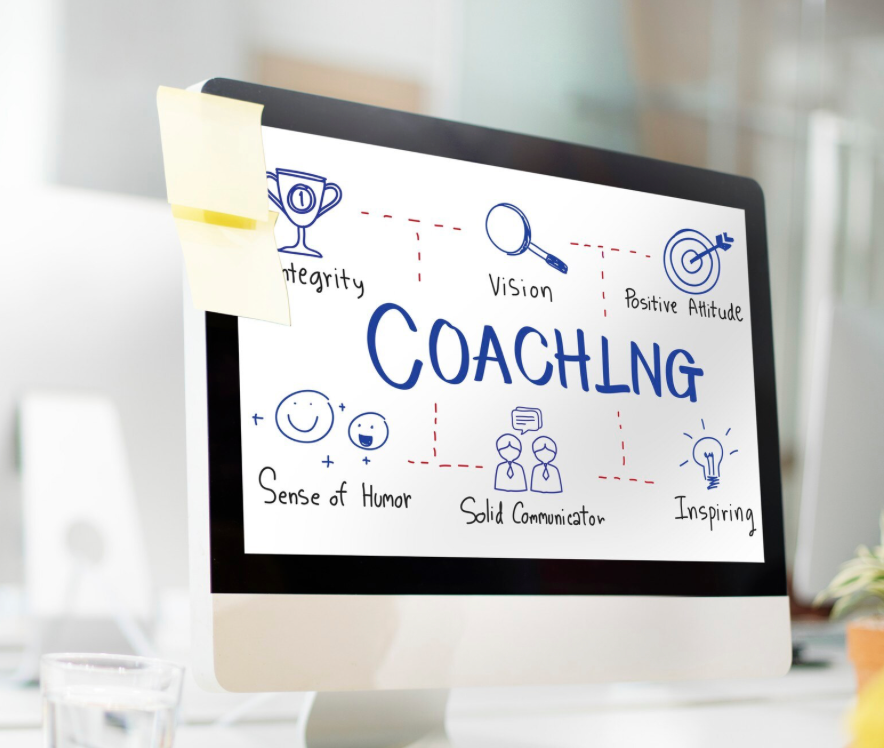
The journey of personal and professional growth is often challenging but immensely rewarding. Sometimes, navigating this path requires a guiding hand, someone to offer objective perspectives, empower you to identify your strengths, and hold you accountable for your goals.
This is where a life coach comes in. A skilled life coach can be an invaluable partner in unlocking your potential, achieving clarity, and creating a more fulfilling life. However, with the growing popularity of life coaching, the sheer number of practitioners can be overwhelming. Choosing the right life coach is crucial for a successful and transformative experience.
This detailed guide will walk you through the essential steps if you’re searching for How Do I Choose a Life Coach. With this, you’ll be able to make an informed decision and find the ideal coach to support your journey.
1. Define Your Needs and Goals: The Foundation of Your Search
Before you even begin researching coaches, the most critical step is to gain clarity on what you hope to achieve through coaching. What areas of your life do you want to improve? What are your specific goals? Without a clear understanding of your needs, you’ll be navigating in the dark.
Ask yourself these questions while choosing a life coach:
- What are the specific challenges I’m facing? (e.g., career stagnation, relationship issues, lack of confidence, feeling unfulfilled)
- What are my desired outcomes? (e.g., landing a new job, improving communication skills, building self-esteem, finding my purpose)
- What kind of support am I looking for? (e.g., guidance, accountability, skill development, mindset shifts)
- What areas of my life do I want to focus on? (e.g., career, relationships, health and wellness, personal development)
- What is my budget for coaching? (Coaching fees can vary significantly, so having a budget in mind is essential)
- What is my preferred coaching format? (e.g., individual sessions, group coaching, in-person, virtual)
The more specific you are about your needs and goals, the better equipped you’ll be to identify coaches who specialize in those areas and whose approach aligns with your requirements.
2. Research and Create a Shortlist of Potential Coaches
Once you have a clear picture of your needs, it’s time to start your research. Here are several avenues to explore:
- Referrals: Ask trusted friends, family members, or colleagues if they have worked with a life coach they would recommend. Personal recommendations can be a valuable starting point.
- Online Directories: Numerous online directories specifically list life coaches, often allowing you to filter by specialization, location, and other criteria. Examples include the International Coaching Federation (ICF) directory, the BetterUp platform, and various niche directories.
- Social Media and Online Presence: Many coaches have active profiles on platforms like LinkedIn, Instagram, and Facebook. Explore their content, read testimonials, and see if their messaging resonates with you.
- Professional Organizations: Organizations like the ICF and the Association for Coaching (AC) often have member directories and resources for finding qualified coaches.
- Networking: Attend industry events or online communities related to your goals. You might encounter coaches who specialize in your area of interest.
As you research, create a shortlist of coaches who seem like a potential fit based on their specialization, experience, and online presence.
3. Check Credentials and Certifications (with Caution)
While the life coaching industry is not universally regulated, certain certifications can indicate a coach’s commitment to professional standards and ethical practices. Organizations like the ICF offer various levels of accreditation based on training hours and coaching experience.
However, it’s crucial to remember that a lack of certification doesn’t necessarily mean a coach is ineffective, and conversely, having a certification doesn’t guarantee success. Focus more on the coach’s experience, testimonials, and your personal connection with them.
When reviewing credentials while choosing a life coach, consider:
- The certifying body: Is it a reputable and recognized organization?
- The level of certification: What does the certification signify in terms of training and experience?
- The coach’s overall experience: How long have they been coaching? What types of clients have they worked with?
4. Schedule Initial Consultations: Your Opportunity to Assess Fit
Most life coaches offer a free initial consultation or “discovery call.” This is a crucial step in the selection process. It allows you to speak directly with the coach, ask questions, and get a feel for their coaching style and personality.
Prepare a list of questions to ask during these consultations, such as:
- What is your coaching philosophy and approach?
- What are your areas of specialization?
- What kind of results can I expect from working with you?
- Can you share some examples of successful client outcomes?
- What is your coaching process like (session frequency, duration, communication between sessions)?
- What are your fees and payment options?
- What is your cancellation policy?
Pay attention not only to the answers but also to how the coach makes you feel. Do they listen attentively? Do they ask insightful questions? Do you feel comfortable and understood?
5. Evaluate the Coach’s Approach and Style
Different coaches have different coaching styles. Some may be more directive, offering specific advice and strategies, while others may take a more facilitative approach, empowering you to find your own solutions. Consider what kind of coaching style resonates best with your personality and learning preferences.
Think about:
- Communication style: Is the coach a good listener? Are they clear and articulate in their communication?
- Energy and personality: Do you feel comfortable and energized after speaking with the coach?
- Focus and emphasis: Does the coach’s approach align with your specific goals and needs?
- Accountability methods: How does the coach help clients stay on track and accountable for their actions?
6. Trust Your Gut Feeling and Connection
Ultimately, the most important factor in choosing a life coach is the connection you feel with them. Coaching is a deeply personal and collaborative process, and you need to feel a sense of trust, rapport, and understanding with your coach.
Ask yourself:
- Do I feel comfortable being vulnerable with this person?
- Do I feel heard and understood?
- Do I trust their guidance and expertise?
- Do I feel motivated and inspired after speaking with them?
Your intuition can be a powerful guide in this decision. If something feels off, even if the coach has impressive credentials, it’s important to trust your gut.
7. Discuss Fees, Session Structure, and Contract
Before committing to a coaching engagement, ensure you have a clear understanding of the financial aspects and the terms of service.
Discuss:
- Fees: What is the coach’s hourly rate or package price? Are there any additional costs?
- Session structure: How long are the sessions? How often will you meet? What is the preferred mode of communication (in-person, phone, video call)?
- Contract: Does the coach have a written contract outlining the terms of engagement, confidentiality, cancellation policy, and expected outcomes? Review the contract carefully before signing.
8. Consider Testimonials and References
While testimonials on a coach’s website can be helpful, consider asking for references from past clients. Speaking directly with someone who has worked with the coach can provide valuable insights into their coaching style and effectiveness.
9. Set Realistic Expectations
Life coaching can be a powerful tool for transformation, but it’s not a magic bullet. Understand that achieving your goals will require effort and commitment on your part. A good coach will guide and support you, but ultimately, you are responsible for taking action and making changes in your life.
Conclusion
Choosing the right life coach is an investment in yourself and your future. By taking the time to define your needs, research potential coaches, conduct thorough consultations, and trust your intuition, you can find a partner who will empower you to unlock your full potential and create the life you desire. Remember that this is a personal journey, and the “right” coach for you will be someone who resonates with your unique needs and aspirations. Take your time, be diligent, and embark on this transformative partnership with confidence.

